For more information about our hunting safaris, don’t hesitate to reach out and contact us!
Legacy Hunters of the Kalahari
Legacy Hunters of the Kalahari honours the hunters and families whose loyalty and ethical hunting helped shape Uitspan Hunting Ranch and strengthen conservation in Namibia.
The Kalahari remembers people, and every hunter who has walked these red sands leaves a trace — not only in footprints, but in the wildlife and landscapes that continue to flourish because of their commitment.
Over many years, certain families returned again and again, investing in responsible hunting that restored species, supported rural communities, and protected the land we call home.
These are the Namibia conservation hunters who helped bring new wildlife to Uitspan Ranch, who stood behind conservation when it mattered most, and who shared countless moments of friendship around the campfire.
Their stories stretch across decades and generations, forming a heartfelt tribute to hunters in Namibia whose dedication made a lasting difference to nature, our family, and the future of the Kalahari.
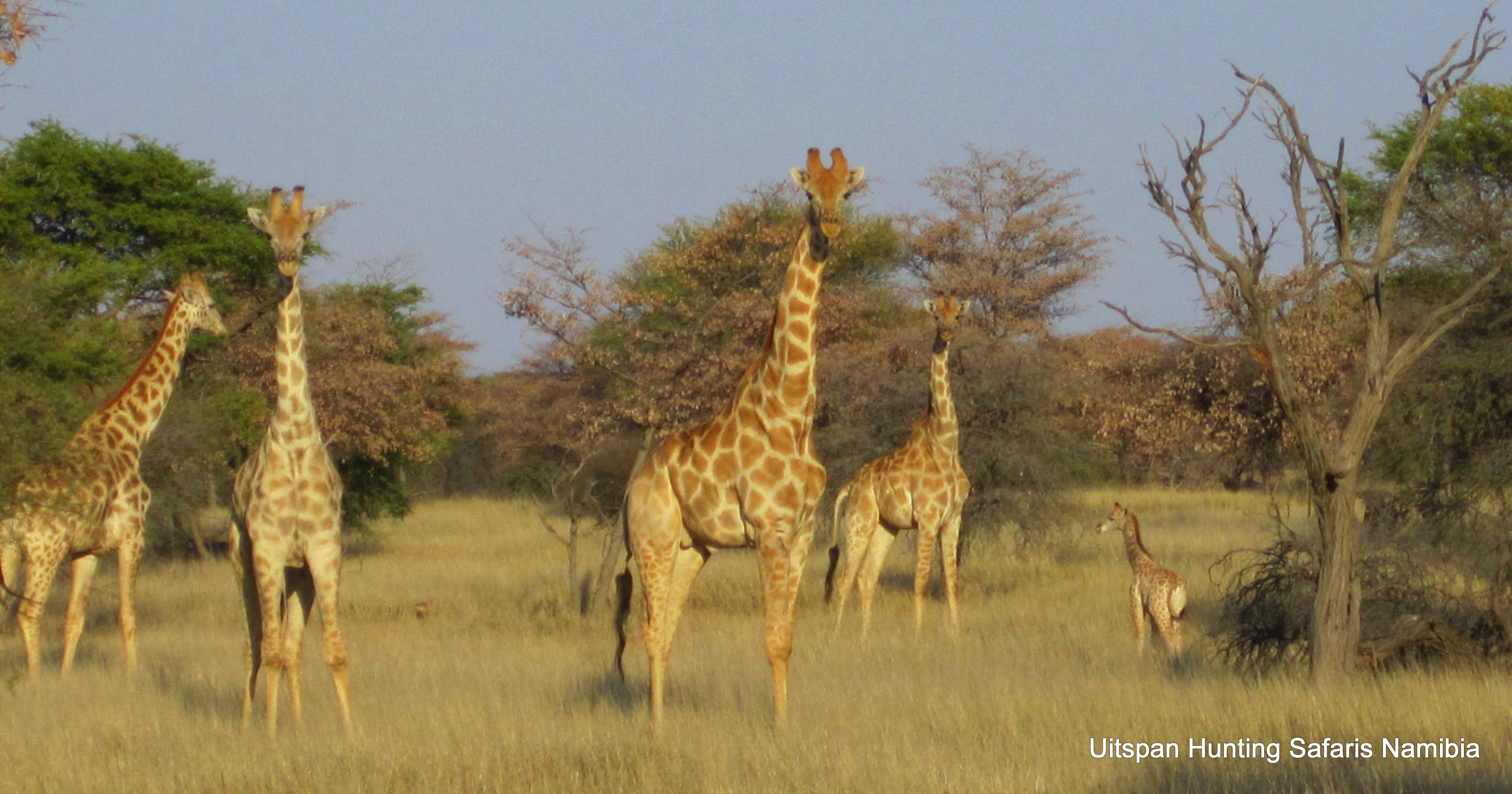
Picture above: Three generations of giraffes moving together through the Kalahari — a living reminder that nature thrives when people care across generations. Just as these young ones follow in the footsteps of the older, so have many hunting families, year after year, played a positive role in conserving wildlife and supporting communities in Namibia. Their commitment, passed from father to son and grandfather to grandson, has helped ensure that places like Uitspan Ranch remain wild, healthy, and full of life.
The Spirit of Legacy Hunters of the Kalahari
There is a special spirit that lives in the Kalahari — a quiet strength, a deep respect for nature, and a love for wide‑open spaces that stretch further than the eye can see.
The Legacy Hunters of the Kalahari are men and women who carry that spirit with them.
Their hunts were never just about trophies; they were about connection, responsibility, and contributing to something bigger. These hunters helped shape the story of Namibia hunting and Africa hunting safaris by choosing ethical, conservation‑driven hunting that honours the land and the wildlife that call it home.
How Legacy Hunters of the Kalahari Strengthen Conservation
Across Africa, conservation hunting plays a vital role in protecting wildlife and restoring habitats — and here in Namibia, it’s no different. The Legacy Hunters of the Kalahari strengthened conservation by supporting sustainable hunting practices that fund habitat management, water infrastructure, and wildlife expansion.
Their commitment helped ensure that conservation hunting in Namibia remains one of the most successful models in Africa. Through every safari, every responsible hunt, and every return visit, they helped secure a future where wildlife thrives and communities benefit.
Families Honored as Legacy Hunters of the Kalahari
Over the years, certain hunting families have become part of our story — people who returned season after season, walked the same red dunes we walk, and shared the same respect for nature that we grew up with. These families are honored as Legacy Hunters of the Kalahari because their loyalty and ethical hunting made a real difference. Their hunts supported wildlife conservation in Namibia, strengthened rural communities, and helped build a sustainable future for Kalahari trophy hunting. They are part of our history, and part of the land’s history too.
Here you can explore the background, photos and stories of the families we honor as our Legacy Hunters of the Kalahari.
- The Millar Family
- Dominique and Friends
(more to be added with time!)
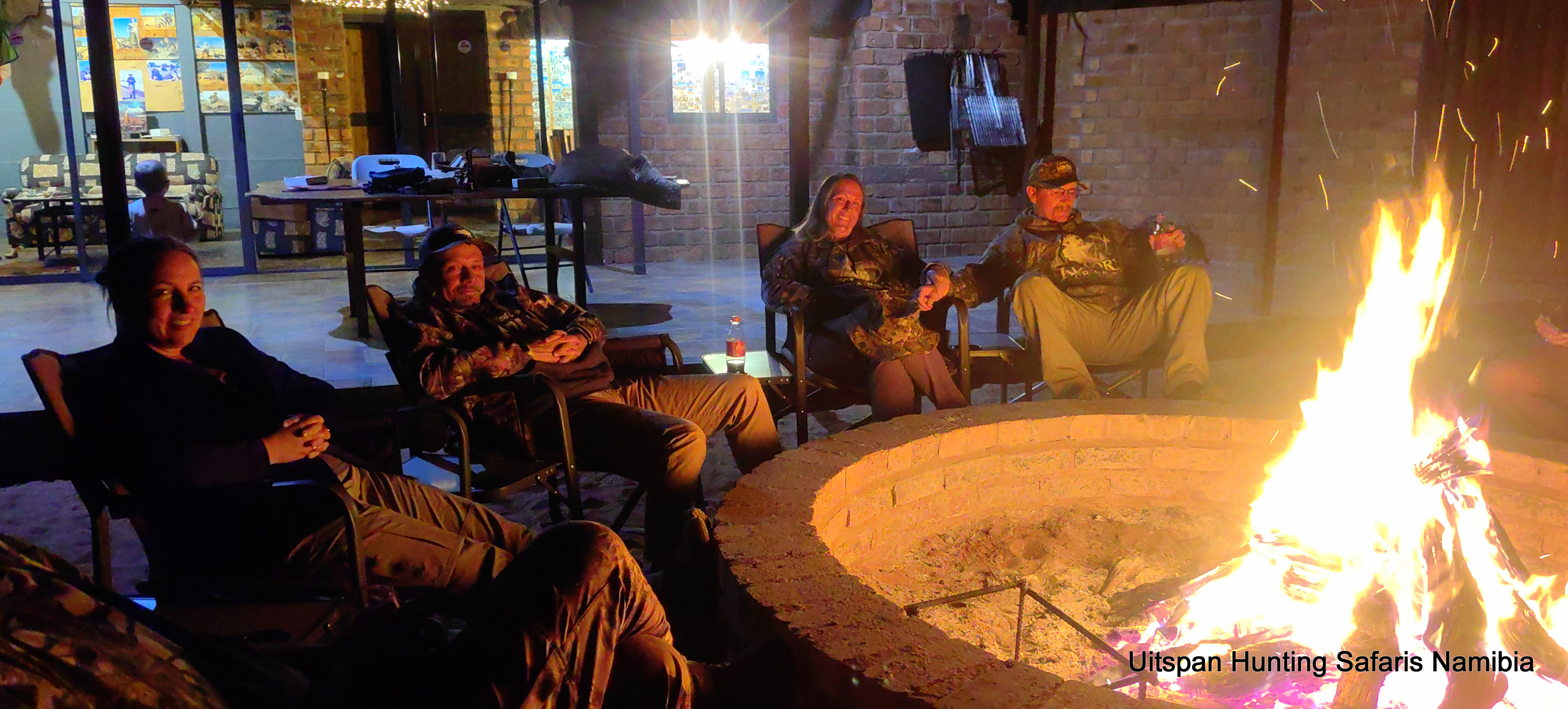
We’ll keep adding tributes to the families who became part of our Legacy Hunters of the Kalahari — watch this space, and join us in giving thanks for the hunters whose loyalty helped shape the lives of local people, wildlife, and the land we love in the Kalahari.
Wildlife Growth Inspired by Legacy Hunters of the Kalahari
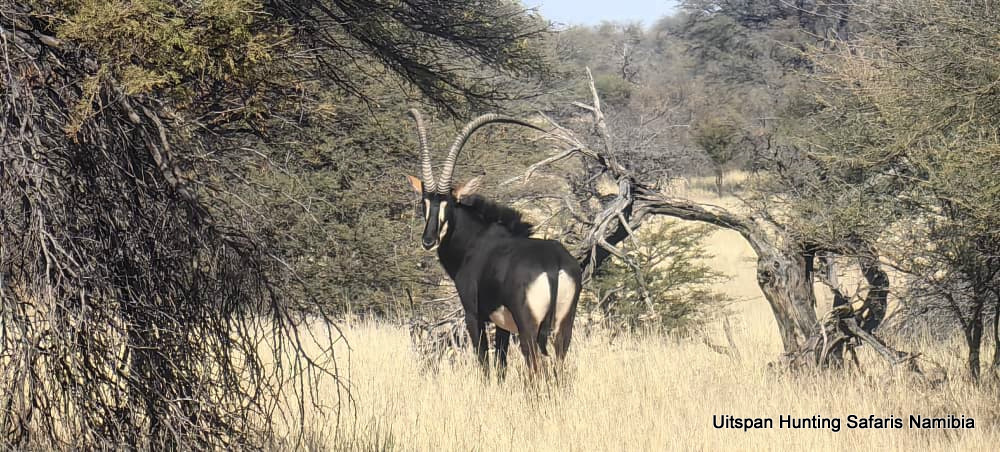
Thanks to responsible hunters, the Kalahari is richer in wildlife today than it was decades ago. The support of the Legacy Hunters of the Kalahari helped us introduce and protect species such as Giraffe, Black Wildebeest, Sable, Nyala, Impala and Burchell's Zebra — species which were not originally part of the Kalahari landscape.
Their contribution to sustainable hunting Namibia and Africa conservation hunting made it possible to restore habitats, expand water points, and grow healthy breeding herds. The wildlife you see today is living proof of what ethical hunters make possible.
Become One of the Legacy Hunters of the Kalahari
Every hunter who chooses ethical, conservation‑driven hunting becomes part of something meaningful. When you hunt in Namibia — especially here in the Kalahari — you help protect wildlife, support local families, and strengthen one of Africa’s most successful conservation models.
To become one of the Legacy Hunters of the Kalahari is to hunt with purpose, to invest in nature, and to leave the land better than you found it. It’s a legacy built not only on trophies, but on respect, responsibility, and love for the wild places of Africa.
Contact us if you would like to contribute to conservation through hunting.
Recommended Articles on Hunting & Conservation
- Hunting, when practiced responsibly and within regulated frameworks, plays a crucial role in maintaining healthy ecosystems by controlling wildlife populations and mitigating the negative impacts of overpopulation, such as habitat degradation and disease outbreaks. It is a valuable conservation tool that, when managed sustainably, contributes to biodiversity and ecosystem stability. Read further...
- If you want to understand how hunting shapes real lives in southern Africa — from stronger wildlife conservation to healthier rural economies and proud local communities — this research‑based article is well worth your time.
Site Search
Did you know?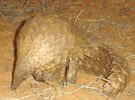 Pangolins have poor sight and do not have any external ears, although their hearing is very good. Their sense of scent is well developed and they locate ants nests by smell. |

Uitspan Hunting Safaris is registered with the Namibia Tourism Board as a Tour and Safari Operator, holding the registration number TSO01055.


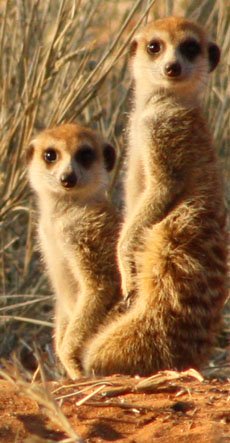
Meaning of "Uitspan"
'Uitspan' is an Afrikaans word that means place of rest.
When the Boer settlers moved inland in Southern Africa in the 1800's, they used ox carts. When they found a spot with game, water and green grass, they arranged their ox carts into a circular laager for protection against wild animals and stopped for a rest.
They referred to such an action of relaxation for man and beast, as Uitspan.
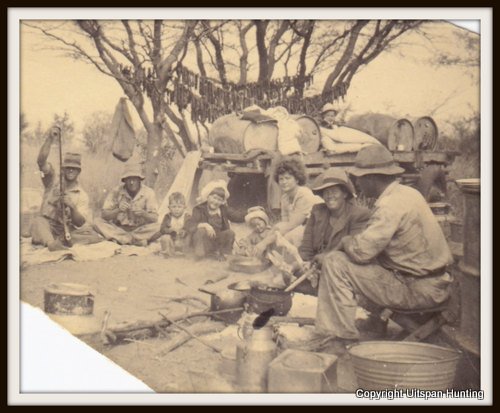
(Picture above of our ancestors.)
Did you know?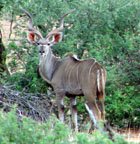 Greater Southern Kudus are famous for their ability to jump high fences. A 2 m (6.56 ft) fence is easily jumped while a 3 m (9.84 ft) high fence is jumped spontaneously. These strong jumpers are known to jump up to 3.5 m (11.48 ft) under stress. |
Did you know?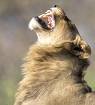 Some animals have one sense more than man!The flehmen response is a particular type of curling of the upper lip in ungulates, felids and many other mammals. This action facilitates the transfer of pheromones and other scents into the vomeronasal organ, also called the Jacobson's Organ. Some animals have one sense more than man!The flehmen response is a particular type of curling of the upper lip in ungulates, felids and many other mammals. This action facilitates the transfer of pheromones and other scents into the vomeronasal organ, also called the Jacobson's Organ.This behavior allows animals to detect scents (for example from urine) of other members of their species or clues to the presence of prey. Flehming allows the animals to determine several factors, including the presence or absence of estrus, the physiological state of the animal, and how long ago the animal passed by. This particular response is recognizable in males when smelling the urine of a females in heat. |